A POS migration breaks tip distribution when the new system does not carry the old rules forward. The cutover puts thousands of paychecks at risk if tip data flows late, wrong, or not at all. The way to avoid that is to treat tip distribution as a parallel project, not a downstream side effect of the POS change.
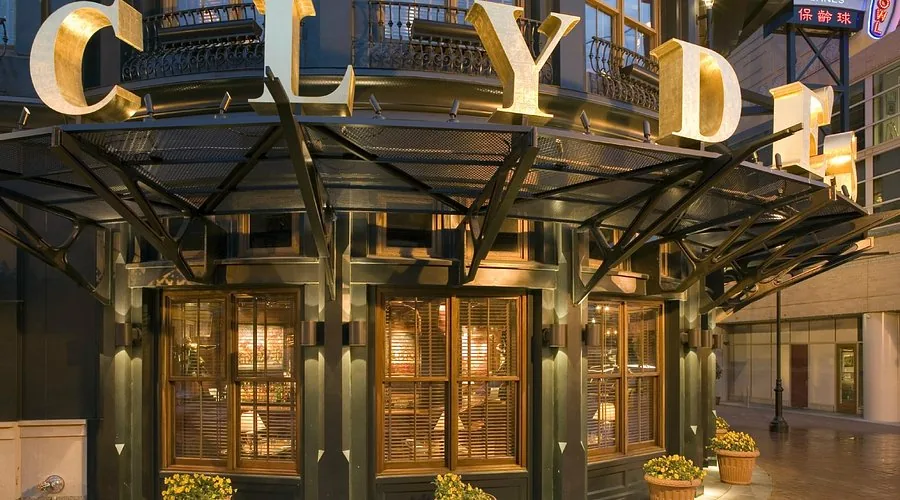
This post explains how to plan that parallel project, what to ask of the platforms involved, and how to keep payroll clean through the cutover. The worked example is Clyde's Restaurant Group, a five-decade DC hospitality operator that migrated 19 venues from POSitouch to Toast without breaking tip distribution or payroll. The same approach applies to any multi-venue group planning a POS change.
Why POS migrations break tip distribution
Tip math lives inside a POS — pool rules, tip-out splits, role weights, shift-based contribution logic. Years of nuance get built in. A new POS does not bring any of that with it; it comes with its own ideas about how tips work, and they rarely match the way a venue actually runs. Three things break when the migration ignores this:
- Tip logic gets rebuilt from scratch, often badly. Without a clear record of the old rules, the new POS gets a best-guess setup. Disputes start within the first pay cycle.
- Manual workarounds become permanent. Spreadsheets and side-of-house notes that filled gaps in the old system come along to the new one. The migration was supposed to remove that work, not preserve it.
- Payroll integrations get rebuilt under pressure. Tip data has to reach payroll on time, every cycle, in a format payroll can use. If that pipe breaks during the cutover, paychecks land late or wrong.
Treat tip distribution as a parallel project
The fix is to run tip distribution as its own work stream, parallel to the POS migration. A dedicated tip platform sits between the POS and payroll: it captures the rules, does the math, and hands clean data to payroll. Here is what that looks like in practice.
Capture the old rules before the cutover. Every venue has its own pool rules, tip-out logic, and role weights. Before the cutover, those rules need to be documented in detail — not in policy language, but in the same form the platform will execute. A tip platform that runs setup sessions on every venue, asks the right questions, and rebuilds each rule to match what actually works is the first sign of a partner who understands the project.
Plug the tip platform into the new POS, not the old workflow. The tip platform should connect directly to the new POS. Tip data flows from the POS into the platform, the platform does the math, and the platform sends results to payroll. This decouples tip distribution from the POS itself — if the POS ever changes again, the tip platform stays put.
Keep payroll on the same cycle, every cycle. A cutover that delays payroll is a cutover that gets reversed. Tip data has to reach payroll on the normal schedule, in the normal format, from day one of the new POS. That is the standard the tip platform has to meet.
POS migration with and without a tip platform partner
| Question | Migration without a tip platform | Migration with a tip platform |
|---|---|---|
| Where does the old tip logic go? | Rebuilt inside the new POS, often by trial and error | Captured in setup sessions and rebuilt inside the platform |
| How are venue-specific rules handled? | Force-fit into the new POS template | Each venue gets its own configuration in the platform |
| What does payroll see during the cutover? | Risk of late, wrong, or missing tip data | Clean, validated tip data on the normal schedule |
| What happens to manual workarounds? | Often carry forward to the new POS | Removed during setup, replaced by platform logic |
Why multi-venue groups need this approach the most
A single-venue cutover is hard. A 19-venue cutover is a different problem entirely.
Each venue runs slightly differently. Even within the same restaurant group, no two venues split tips quite the same way. The platform has to capture the differences and apply each venue's rules separately. A one-size-fits-all setup does not work for groups with real operational range.
Shared service across staff is the norm, not the exception. Multi-venue groups often see staff cover shifts at sister locations. Large parties get worked by teams, not individuals, and walk-in surges pull staff across sections. The tip platform has to handle group attribution for shared service, not just single-server tips.
Compliance gets harder with each jurisdiction. A group operating in three states is dealing with three sets of wage and tip rules, plus federal rules across all of them. The platform has to handle the differences without putting that on GMs. Multi-state compliance is not a feature — it is the baseline a multi-venue platform has to meet.
See how Clyde's Restaurant Group ran a 19-venue Toast cutover
Clyde's migrated from POSitouch to Toast across 19 venues in DC, Maryland, and Virginia. PayDay Portal handled tip pooling, Team Up for shared service, shift-based distribution, and three-jurisdiction compliance.
Read the Clyde's Restaurant Group success story →What to ask a tip platform during a POS evaluation
Operators planning a POS change should evaluate tip platforms at the same time. The right questions surface fast.
Does the platform integrate directly with the new POS? If the answer involves middleware, a custom connector, or a phased rollout, the integration is not ready. The platform should already have a clean, documented connection to the new POS, with a track record of multi-venue cutovers.
How does the platform handle venue-specific rules? Ask for a walkthrough of how it sets up a new venue. If the answer is a template, it is not built for multi-venue range. If the answer involves a setup session per venue and rules that can vary by location, the platform can handle real operational complexity.
What happens when staff are shared across the floor? Large parties and walk-in surges are team efforts. The platform needs to support group attribution, not just single-server splits. Ask how it handles a 30-top worked by four staff — if the answer is a manual override, it is not ready.
Can payroll stay on the same cycle through the cutover? This is the question that determines whether the migration goes smoothly. The platform has to deliver clean, validated tip data to payroll on the normal schedule from day one of the new POS. References from prior cutovers are the proof.
How Clyde's Restaurant Group ran the 19-venue cutover
Clyde's Restaurant Group has defined the DC hospitality scene for more than five decades, operating 19 venues across DC, Maryland, and Northern Virginia. When the team decided to migrate from POSitouch to Toast, they brought in PayDay Portal to handle the gratuity side. The migration had four parts:
- Setup sessions per venue. Every Clyde's location had its own setup session. Pool rules, tip-out logic, and role weights were captured in the form PayDay Portal would execute. No two venues got the same template.
- Direct Toast integration. PayDay Portal connected directly to Toast and pulled the full history forward from POSitouch. Tip data flowed cleanly from day one.
- Team Up for shared service. A 30-top at Old Ebbitt Grill is never one server's table, and a Saturday walk-in wave at The Hamilton pulls staff from every corner of the floor. Team Up lets managers group the staff who worked the party and split the tips across the team.
- Three-jurisdiction compliance in the background. Federal, DC, Maryland, and Virginia wage and tip rules are handled by the platform. GMs do not track any of them, and audit-ready reports come out automatically.
The cutover went live without breaking tip distribution or payroll. GMs got time back, servers and support staff got clarity on how their tips were calculated, and finance got reports it could trust.
The takeaway for operators planning a POS change
A POS migration is not the place to learn that the new system handles tips badly. The cost of finding out after the cutover is paid in late paychecks, employee trust, and GM hours. Operators who treat tip distribution as a parallel project, pick a platform that captures venue-specific rules, and demand a clean payroll handoff from day one come out the other side with a working system.
The questions to ask before the cutover are direct: Does the platform integrate with the new POS? Does it handle venue-specific rules without a template? Can it deliver clean tip data to payroll on the normal cycle from day one? If the answers are yes, the migration can go live without disruption. If they are not, the cutover is going to cost more than the POS change itself.